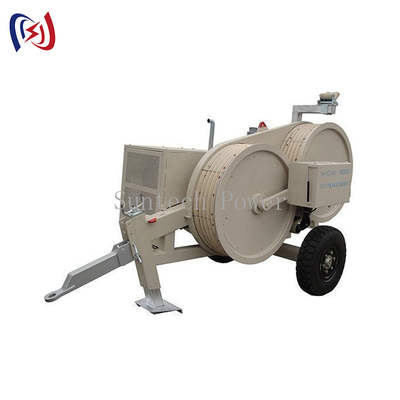
संयुक्त राज्य अमेरिका ग्रिड आधुनिकीकरण और विस्तार की एक महत्वपूर्ण लहर से गुजर रहा है, जो नई उच्च वोल्टेज ट्रांसमिशन लाइन निर्माण के लिए महत्वपूर्ण मांग को चला रहा है।एक प्रमुख चुनौती यह है कि इन महत्वपूर्ण परियोजनाओं में से कई, जैसे कि नवीकरणीय ऊर्जा केंद्रों को जोड़ने वाली परियोजनाओं को पहाड़ों जैसे जटिल और दूरदराज के इलाकों को पार करना होगा।इस संदर्भ में, निर्माण उपकरणों की साइट पर तैनाती, गतिशीलता और पर्यावरण अनुकूलन क्षमता पर सख्त मांगें हैं।एकीकृत, कॉम्पैक्ट डीजल चालित विंचइस लेख में उद्योग के अंतर्निहित रुझानों और तकनीकी तर्क की जांच की गई है।
ड्राइविंग ट्रेंडः असमान इलाके में साइट पर दर्द के बिंदुओं को संबोधित करना
पारंपरिक, भारी उपकरण जिन्हें बाहरी शक्ति या जटिल असेंबली की आवश्यकता होती है, ऑफ-रोड सुलभ स्थलों में एक महत्वपूर्ण बाधा बन जाते हैं। प्राथमिक दर्द बिंदु तीन प्रकार के होते हैंः 1)तार्किक तैनाती की कठिनाइयां: भारी मशीनरी के परिवहन के लिए भारी ट्रकों और अस्थायी पहुंच मार्गों की आवश्यकता होती है, जो पर्यावरण संवेदनशील या खड़ी क्षेत्रों में महंगे, समय लेने वाले और कभी-कभी असंभव होते हैं।बिजली स्रोत की सीमाएँ: ग्रिड पावर के बिना दूरस्थ स्थलों पर, विद्युत उपकरणों को चलाने के लिए जनरेटर पर निर्भरता ईंधन आपूर्ति श्रृंखला में जटिलता जोड़ती है और अतिरिक्त विफलता बिंदुओं को पेश करती है। 3)साइट पर खराब गतिशीलता: ओवरसाइज्ड उपकरण सीमित टॉवर बेस स्थानों पर खुद को लचीलापन से तैनात करने के लिए संघर्ष करते हैं, मल्टीटास्किंग समन्वय को बाधित करते हैं।
समाधान: कॉम्पैक्ट, इंटीग्रेटेड पावरड विंच के मुख्य फायदे
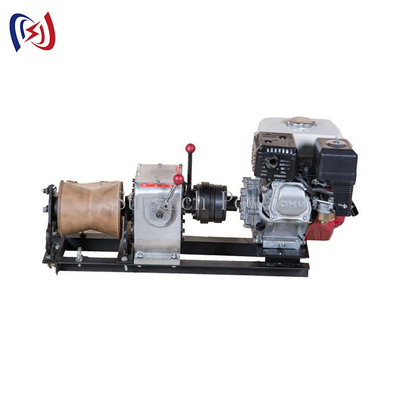
आधुनिक एकीकृत डीजल वाइंच (जैसे जेजेसी-5बी मॉडल) संरचनात्मक रूप से इन चुनौतियों का सामना करने के लिए डिज़ाइन किए गए हैं। उनके फायदे मौलिक हैंः
-
आत्मनिर्भर शक्ति, चुस्त तैनाती: इन इकाइयों में डीजल इंजन, गियरबॉक्स, ड्रम और नियंत्रण प्रणाली को एक एकल, कॉम्पैक्ट फ्रेम में एकीकृत किया गया है, जिसकी माप लगभग1000mm L x 498mm W x 600mm H और वजन 148 kgयह "ऑल-इन-वन" डिजाइन हल्के उपयोगिता वाहनों या यहां तक कि हेलीकॉप्टर स्लिंग-लोडिंग के माध्यम से अग्रिम पंक्ति में परिवहन की अनुमति देता है, जिसमें न्यूनतम या कोई भी साइट असेंबली नहीं है।यह तैनाती के समय को काफी कम करता है और स्थापित पहुँच मार्गों पर निर्भरता को कम करता है.
-
अनुकूलन क्षमता, सटीक नियंत्रण: विभिन्न खींचने के कार्यों के लिए (उदाहरण के लिए, उच्च गति प्रारंभिक स्ट्रिंग बनाम उच्च टोक़, कम गति अंतिम तनाव), एकबहु-गियर विन्यास (फास्ट I/II, स्लो I/II, आदि)उदाहरण के लिए, एक24 मीटर/मिनटतेजी से रस्सी पुनर्प्राप्ति के लिए "फास्ट I" में लाइन की गति, जबकि एक स्थिर प्रदान5.0 kNभारी तनाव के लिए "स्लो II" में खींचें, एक एकल इकाई को सटीक गियर मिलान के साथ कंडक्टर स्ट्रिंगिंग से लेकर ढलान तक पूरी प्रक्रिया को संभालने की अनुमति देता है, जिससे उपकरण परिवर्तन की आवश्यकता कम हो जाती है.
-
उच्च टोक़ शक्ति, विश्वसनीय संचालन: औद्योगिक ग्रेड, वायु-कूल्ड डीजल इंजन (जैसे, 186F प्रकार) अपनी गतिशीलता के लिए प्रसिद्ध हैकम गति, उच्च टोक़ आउटपुट और ईंधन दक्षतानिरंतर भारी भार खींचने की स्थिति में, विद्युत प्रणालियों के विपरीत, यह वोल्टेज ड्रॉप, केबल लंबाई या जनरेटर स्थिरता से प्रभावित नहीं होता है, लगातार शक्ति प्रदान करता है।शाफ्ट प्रत्यक्ष कनेक्शन ड्राइवइसके अतिरिक्त, ड्राइव ट्रेन में संभावित विफलता बिंदुओं को कम करके, कुशल शक्ति संचरण और संरचनात्मक विश्वसनीयता सुनिश्चित करता है।
उद्योग पर प्रभाव और चयन मार्गदर्शन
परियोजना प्रबंधकों और उपकरण विनिर्देशकों के लिए, विंचों के लिए मूल्यांकन मानदंडों को केवल "ट्रैकिंग क्षमता" से बदलकर "ट्रैकिंग क्षमता" में बदल दिया जाना चाहिए।"व्यापक तैनाती क्षमता। "मुख्य विचारों में निम्नलिखित शामिल होना चाहिए: 1)शक्ति घनत्व प्रति इकाई मात्रा: उपकरण द्वारा दिए गए आकार और वजन की सीमाओं के भीतर प्रदान किए जाने वाले कर्षण बल की सीमा।आत्मनिर्भरता और अनुकूलनशीलता: क्या यह एक स्वतंत्र बिजली स्रोत और कई गति / खींच अनुपात से लैस है ताकि यह आउट-ग्रिड और परिवर्तनीय कार्य परिस्थितियों को संभाल सके।परिवहन और स्थान निर्धारण में आसानी: क्या कुल आयाम और वजन परियोजना के मौजूदा हल्के परिवहन समाधानों के साथ संगत हैं।
निष्कर्ष
जटिल भूगोल में अमेरिकी ट्रांसमिशन लाइन निर्माण का विस्तार एक अपरिहार्य उद्योग चरण है, जो निर्माण उपकरण के विकास को अधिक एकीकरण, कॉम्पैक्टनेस,और आत्मनिर्भरता. एक का चयनजेजेसी-5बी की तरह कॉम्पैक्ट डीजल चालित लिंचयह एक अधिक लचीली, विश्वसनीय और इलाके के प्रति लचीली निर्माण रणनीति का विकल्प चुन रहा है। यह केवल एक उपकरण खरीदने के लिए नहीं है,लेकिन क्षेत्र की अप्रत्याशित चुनौतियों के खिलाफ दक्षता और सफलता की गारंटी में निवेश करना.


 आपका संदेश 20-3,000 अक्षरों के बीच होना चाहिए!