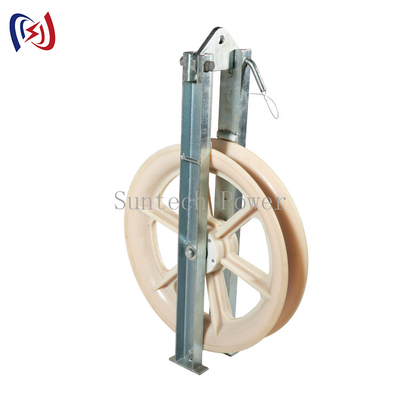
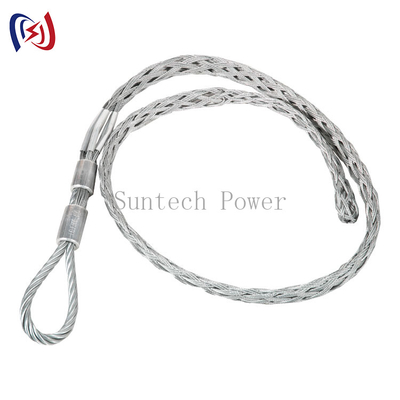
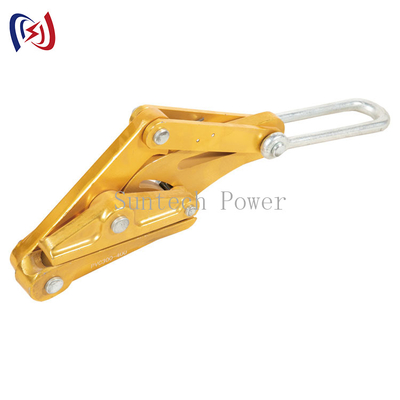
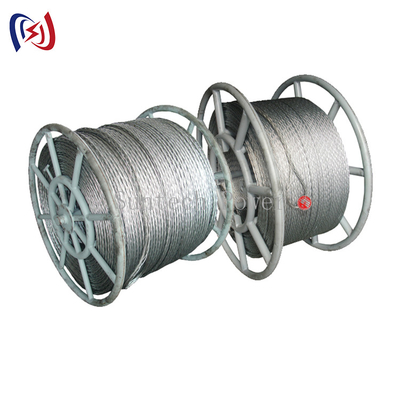
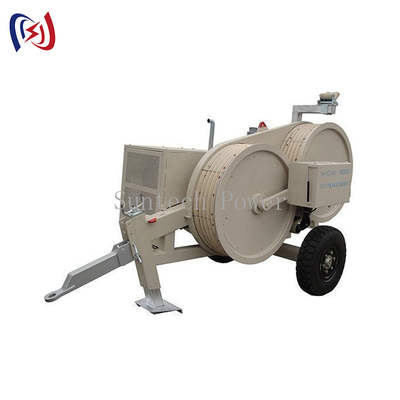
Across the vast and varied landscapes of the developing world—from the deserts of the Middle East and the highlands of Central Asia to the jungles of Southeast Asia and the sprawling plains of South America—a quiet revolution is underwayयह एक क्रांति है जो आधुनिक समाज की धमनियों के निर्माण में गति, विश्वसनीयता और शक्ति की आवश्यकता से प्रेरित है: बिजली के ग्रिड और संचार नेटवर्क। इस प्रगति के केंद्र में,अक्सर तकनीकी विनिर्देशों में दफन या एक साधारण उपकरण के रूप में देखा जाता है, उपकरण का एक महत्वपूर्ण टुकड़ा हैः आधुनिककेबल खींचने वाला विंचकेवल तार खींचने की मशीन से अधिक, आज के उन्नत विंच दूरस्थ, मांग वाले स्थलों की अनूठी चुनौतियों से निपटने के लिए डिज़ाइन की गई इंजीनियर प्रणाली हैं,जटिल केबल स्थापना को नियंत्रित केबल स्थापना में बदलनायह विकास दुनिया भर में उपयोगिता ठेकेदारों और नेटवर्क बिल्डरों की मुख्य मांगों का सीधे जवाब देता हैः परियोजनाओं को तेजी से, कम संसाधनों के साथ पूरा करना,और तेजी से तंग कार्यक्रमों के तहत.
दकेबल खींचने वाला विंचयह रैखिक नेटवर्क निर्माण के तीन स्तंभों के लिए काम का घोड़ा हैः कंडक्टर और केबल स्ट्रिंगिंग, स्थापना के दौरान तनाव का सटीक अनुप्रयोग,और खाई या नलिकाओं में केबलों की नियंत्रित बिछानेइसका मूल्य इसके मूल कार्य में नहीं है, बल्कि यह कि इसका डिजाइन इन कार्यों में निहित घर्षण, वजन, दूरी और पर्यावरणीय शत्रुता का अनुमान कैसे लगाता है और इस पर काबू पाता है।कजाकिस्तान में 10 किलोमीटर के उच्च वोल्टेज कंडक्टर के स्ट्रिंगिंग की देखरेख करने वाले परियोजना प्रबंधक के लिए, या कोलंबिया में एक भीड़भाड़ वाली शहरी खाई के माध्यम से फाइबर ऑप्टिक केबल स्थापित करने वाले एक चालक दल के नेता, सही लिंच सिर्फ एक खरीद नहीं है यह परियोजना की सफलता के लिए एक रणनीतिक भागीदार है।
इस कार्य के लिए इंजीनियरिंगः आधुनिक केबल खींचने वाले विंच का विघटन
एक साधारण ड्रम-एंड-इंजन से एक सटीक खींचने की प्रणाली की छलांग इसके घटकों के विवरण में पाई जाती है। प्रत्येक भाग को स्थायित्व, नियंत्रण और अनुकूलन क्षमता के लिए अनुकूलित किया गया है।
-
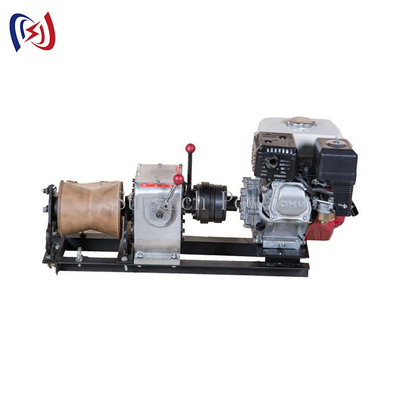
पावर कोर: कठोर परिस्थितियों के लिए निर्मित प्राइम मोवर्स:डीजल या गैसोलीन इंजन सिस्टम के फेफड़े होते हैं। वैश्विक तैनाती के लिए, यह विश्व स्तर पर मान्यता प्राप्त, औद्योगिक-ग्रेड ब्रांड होना चाहिए जो विश्वसनीयता और आसान सेवा के लिए जाना जाता है।आधुनिक विंचों में कम आरपीएम पर उच्च टोक़ वाले इंजन होते हैंवे अरब के रेगिस्तान या सहारा की धूल से निपटने के लिए भारी शुल्क वाले वायु निस्पंदन प्रणाली से लैस हैं।उष्णकटिबंधीय आर्द्रता के लिए ओवरसाइज्ड कूलिंग पैकेज, और स्टेप्पे के लिए ठंडे मौसम में स्टार्टिंग एड्स। इंजन एक बाद का विचार नहीं है; यह अपटाइम का आधारशिला है।
-
ट्रांसमिशन: सुचारू, नियंत्रित बल प्रदान करना:चाहे वह एक मजबूत गियर-ड्राइव का उपयोग कर रहा हो या टॉर्क परिवर्तित करने वाला पावर-शिफ्ट ट्रांसमिशन, यह प्रणाली विंच का तंत्रिका तंत्र है।अल्ट्रा-स्लो पर कोई लोड रिवाइंड, अंतिम तनाव के लिए उच्च टोक़ "क्रैपर" गियर।इन सीमाओं के बीच केबल को हिलाए बिना सुचारू रूप से संक्रमण करने की क्षमता महंगे कंडक्टरों को नुकसान से बचाने और श्रमिकों की सुरक्षा सुनिश्चित करने के लिए सर्वोपरि हैसील, कठोर गियरबॉक्स की वजह से कीचड़ और पानी से प्रदूषण नहीं होता है, जो दक्षिण पूर्व एशियाई मानसून या दक्षिण अमेरिकी नदी बेसिन में एक आम चुनौती है।
-
ड्रम: जहां शक्ति केबल से मिलती है:विंच ड्रम उत्पाद के साथ इंटरफ़ेस है। इसका डिजाइन लागू भौतिकी में एक अध्ययन है। केबल चिपकने और ओवरलैप को रोकने के लिए फ्लैंग्स को सटीक व्यास के लिए मशीनीकृत किया जाता है।ड्रम कोर अक्सर साफ के लिए केबल का मार्गदर्शन करने के लिए एक विशिष्ट हेलिक्स पैटर्न के साथ मशीनीकृत हैउच्च ग्रेड स्टील निर्माण भारी खींच के दौरान विशाल रेडियल बलों का विरोध करता है। क्षमता महत्वपूर्ण है; एक अच्छी तरह से डिजाइन ड्रम बड़े व्यास के केबल का एक किलोमीटर से अधिक पकड़ सकता है,संभावित विफलता बिंदुओं के लिए मध्य स्पैन splices के लिए आवश्यकता को कम से कम.
-
नियंत्रण प्रणालीः ऑपरेटर की उंगलियों पर सटीकता:आधुनिक नियंत्रण क्रूर बल के लीवरों से बुद्धिमान प्रणालियों में स्थानांतरित हो गया है। एक केंद्रीय नियंत्रण स्टेशन, अक्सर एर्गोनोमिक रूप से डिजाइन और मौसम सील,ऑपरेटर को लाइन खींच दिखाने वाले गेज की स्पष्ट दृश्यता प्रदान करता है, लाइन गति, और ड्रम रोटेशन।केबल खींचने वाला विंचमॉडलों में इनलाइन टेन्शन मीटर और लोड सेल शामिल हैं, जो केबल पर सटीक बल के वास्तविक समय के डिजिटल रीडिंग प्रदान करते हैं।जहां उचित ढलान और रिक्ति सुनिश्चित करने के लिए सटीक इंजीनियरिंग विनिर्देशों के अनुसार तनाव निर्धारित किया जाना चाहिएरिमोट कंट्रोल विकल्प ऑपरेटरों को गतिशील केबल और ड्रम से दूर, सुरक्षा और दृश्यता के लिए सबसे अच्छा दृश्य बिंदु पर खुद को तैनात करने की अनुमति देते हैं।
-
सहायक प्रणालियाँ: ब्रेक, फेयरलीड और सुरक्षा:विफलता रहित ब्रेक प्रणाली (आमतौर पर एक मल्टी-डिस्क हाइड्रोलिक ब्रेक जो ड्रम पर स्वचालित रूप से संलग्न होता है) गैर-वार्तालाप योग्य होती है। यह लोड को सुरक्षित रूप से रखती है, यहां तक कि बिजली के नुकसान में भी।घुमावदार फेयरलीड रोलर्स सही कोण पर ड्रम पर केबल का मार्गदर्शन करते हैं, पहनने और खतरनाक "केबल कूदने" को रोकने के लिए। व्यापक प्रकाश व्यवस्था, सड़क-टोल पैकेज और मजबूत चेसिस निर्माण एक ऐसी प्रणाली को पूरा करते हैं जिसे असभ्य पहुंच सड़कों पर गतिशीलता और धीरज के लिए डिज़ाइन किया गया है।.
अग्रिम पंक्तियों पर: वैश्विक स्थापना चुनौतियों का समाधान
एक सच्ची परीक्षाकेबल खींचने वाला विंचइसका डिजाइन सीधे तौर पर कर्मचारियों के सामने आने वाले सबसे आम और महंगे दर्द बिंदुओं को संबोधित करता है।
-
चुनौती 1: ऊबड़-खाबड़ इलाकों में लंबी दूरी की सवारी करना:एक घाटी या एक प्राकृतिक रिजर्व के माध्यम से केबल को स्ट्रिंग करने के लिए अक्सर एक किलोमीटर से अधिक खींचने की आवश्यकता होती है। दूरी के साथ घर्षण तेजी से बढ़ता है। निरंतर टोक़ के अभाव में एक वाइंच रुक जाएगा,संभावित रूप से केबल को नुकसान पहुंचाने और इसे फंस जाने के लिए छोड़ने के लिएउच्च क्षमता वालाकेबल खींचने वाला विंचएक उच्च टोक़ के साथ, थर्मल स्थिर इंजन और कुशल गियर इन महाकाव्य दूरी पर स्थिर, शक्तिशाली खींच बनाए रखता है, एक निरंतर प्रयास में काम पूरा, सेटअप समय के दिनों की बचत।
-
चुनौती 2: ग्रिड विश्वसनीयता के लिए सटीक तनावःगलत तरीके से खिंचा हुआ बिजली का तार गर्मी में बहुत अधिक ढल जाता है (सुरक्षा के लिए खतरा) या ठंड में बहुत तंग होता है (तो टूटने का खतरा) ।एक एकीकृत तनाव निगरानी के साथ आधुनिक लिंच चालक दल को अभियंता द्वारा निर्दिष्ट सटीक किलोग्राम-बल तक कंडक्टर को खींचने की अनुमति देते हैंयह डेटा आधारित दृष्टिकोण ग्रिड की दीर्घायु और सुरक्षा सुनिश्चित करता है, जो अफ्रीका और दक्षिण अमेरिका में राष्ट्रीय उपयोगिताओं के लिए एक महत्वपूर्ण कारक है जो दीर्घकालिक बुनियादी ढांचे में निवेश करते हैं।
-
चुनौती 3: शहरी और सीमित स्थानों पर काम करना:भीड़-भाड़ वाली शहर की खाई में या मौजूदा नलिकाओं के माध्यम से केबल बिछाना एक नाजुक ऑपरेशन है। जगह सीमित है, और केबल (अक्सर महंगा फाइबर ऑप्टिक) कमजोर है।बहुत बड़ा या ठीक से नियंत्रित नहीं होने वाला लिंच एक जोखिम है. कॉम्पैक्ट, ट्रेलर-माउंटेडकेबल खींचने वाला विंचउत्कृष्ट कम गति नियंत्रण वाली इकाइयां केबल को नलिकाओं में सटीक, इंच-दर-इंच फ़ीड करने की अनुमति देती हैं, जिससे जैकेट क्षति और महंगी मरम्मत या संकेत हानि का जोखिम कम हो जाता है।
-
चुनौती 4: कठोर वातावरण की विश्वसनीयताएक दूरस्थ स्थान पर डाउनटाइम बहुत महंगा है एक लिंच जिसका वायु फिल्टर धूल के तूफान में बंद हो जाता है, जिसका नियंत्रण एक बारिश में विफल हो जाता है,या जिसका इंजन जमे हुए पहाड़ों में शुरू नहीं होगा पूरी परियोजना को रोक देता है- घटकों की मजबूती- सील कनेक्टर, संक्षारण प्रतिरोधी सामग्री,मध्य पूर्व के बाजारों में एक उत्पादक परिसंपत्ति को एक फंसे हुए दायित्व से अलग करता है।, मध्य एशिया और उससे आगे।
रणनीतिक लाभ: सिर्फ खींचने से ज्यादा
एक सक्षम में निवेशकेबल खींचने वाला विंचपरियोजना के ठोस लाभों में तब्दील होता है जो वित्तीय और परिचालन प्रबंधकों के साथ प्रतिध्वनित होते हैंः
-
त्वरित परियोजना समयरेखाःतेजी से, अधिक विश्वसनीय खींचने का मतलब है कि चरण जल्दी पूरा हो जाते हैं, जिससे चालक दल अगले साइट पर जाने की अनुमति मिलती है, समग्र परियोजना अनुसूची को संकुचित करती है।
-
बढ़ी हुई सुरक्षा:नियंत्रित, पूर्वानुमानित खींचने के संचालन, सुरक्षित ब्रेकिंग और रिमोट कंट्रोल विकल्पों से केबल टूटने, उपकरण की प्रतिक्रिया और श्रमिकों की चोट के जोखिम में काफी कमी आती है।
-
कम होने वाला भौतिक जोखिम:सटीक तनाव और चिकनी खराब होने से महंगी केबलों की अखंडता की रक्षा होती है, जिससे भविष्य में विफलता और महंगी पुनर्निर्माण के कारण होने वाली स्थापना क्षति को रोका जा सकता है।
-
परिचालन लचीलापन:एक अच्छी तरह से डिज़ाइन किया गया लिंच अनुकूलन योग्य है, जो नाजुक फाइबर खींचने से लेकर भारी एमवी केबल स्थापना तक सब कुछ संभालता है, जिससे यह विविध परियोजना पोर्टफोलियो वाले ठेकेदारों के लिए एक बहुमुखी संपत्ति बन जाता है।
-
संचालन की कुल लागत कम करना:जबकि प्रारंभिक निवेश अधिक हो सकता है, ईंधन दक्षता (आधुनिक इंजनों से), कम डाउनटाइम,और कम से कम केबल अपशिष्ट मशीन के जीवनकाल के दौरान स्थापित केबल के प्रति मीटर कम लागत का कारण बनता है.
निष्कर्ष: कल के कनेक्शनों को पावर करना
विद्युतीकरण और डिजिटल कनेक्टिविटी के लिए वैश्विक धक्का हमारे युग के परिभाषित रुझानों में से एक है।केबलों को टिकाऊ बनाया जाना चाहिए.केबल खींचने वाला विंचएक साधारण उपकरण से विकसित हुआ है एक परिष्कृत स्थापना भागीदार में, इस विशाल कार्य के लिए आवश्यक सटीकता, शक्ति और लचीलापन का प्रतीक।
अंगोला में परियोजना निदेशक के लिए राष्ट्रीय ग्रिड विस्तार की योजना, इंडोनेशिया में साइट पर्यवेक्षक घने महानगर के माध्यम से केबल बुनाई,या पेरू में एक पहाड़ी नवीकरणीय ऊर्जा परियोजना पर काम कर रहे ठेकेदारयह एक मौलिक निर्णय है, जो देरी और टूटने से ग्रस्त परियोजनाओं के बीच अंतर करता है और एक परियोजना जो बजट के भीतर और विनिर्देशों के अनुसार सुचारू रूप से चलती है।कुशल चालक दल के हाथों में, आधुनिककेबल खींचने वाला विंचयह केबल खींचने से अधिक करता है; यह समुदायों को अधिक जुड़े और संचालित भविष्य में खींचता है।


 आपका संदेश 20-3,000 अक्षरों के बीच होना चाहिए!