परिचय: अनदेखी की गई लागत और जोखिम
उच्च वोल्टेज ट्रांसमिशन लाइनों, बड़े सबस्टेशनों में उपयोग किए जाने वाले भारी शुल्क केबलों की स्थापना के दौरान,या अपतटीय पवन संयंत्र के निर्यात केबलोंजबकि निर्माण दल सही ढंग से तनावकों और खींचने वालों की शक्ति पर ध्यान केंद्रित करते हैं, एक प्रतीत होता है सरल लेकिन परिणामकारी मुद्दे को अक्सर कम करके आंका जाता हैःजमीन के साथ खींचने से केबल जैकेट घर्षण।यह क्षति सौंदर्य प्रसाधनों से परे जाती है; यह केबल के विद्युत इन्सुलेशन और यांत्रिक सुरक्षा को खतरे में डाल सकती है, जिससे संभावित टूटने के जोखिम, नमी का प्रवेश और जीवनकाल कम हो सकता है,अंततः महत्वपूर्ण दीर्घकालिक रखरखाव लागत और सुरक्षा खतरों के परिणामस्वरूपइस लेख में इस समस्या का पता लगाया गया है और विश्लेषण किया गया है कि कैसे पेशेवर केबल ग्राउंड रोलर्स अपने डिजाइन के माध्यम से एक व्यवस्थित समाधान प्रदान करते हैं।
समस्या: भारी केबल खींचने में जैकेट घर्षण का तंत्र
जैकेट घर्षण आकस्मिक नहीं है बल्कि विशिष्ट परिस्थितियों में अपरिहार्य है।
-
उच्च सतह दबावःभारी केबलों का भारी भार होता है, जिससे जमीन से संपर्क के बिंदुओं पर अत्यधिक दबाव पैदा होता है।
-
घर्षण संपर्क सतहःकार्यस्थल के मैदान अक्सर रेत, चक्की या कंक्रीट के मलबे जैसे घर्षण कणों से भरे होते हैं।
-
स्लाइडिंग घर्षणःखींचने के दौरान, केबल को जमीन के खिलाफ घर्षण का अनुभव होता है, न कि रोलिंग घर्षण।
इन कारकों का संयोजन उच्च दबाव के तहत केबल जैकेट को सैंड करने के समान है। क्रॉस-लिंक्ड पॉलीथीन (एक्सएलपीई) या सीसा कवर जैसी सामग्री के लिए,यहां तक कि मामूली खरोंच लंबे समय तक विद्युत और यांत्रिक तनाव के तहत विफलता बिंदु बन सकते हैं.
समाधान: पेशेवर ग्राउंड रोलर्स के डिजाइन लॉजिक और पैरामेट्रिक फायदे
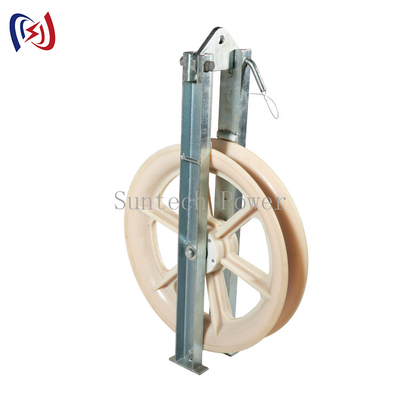
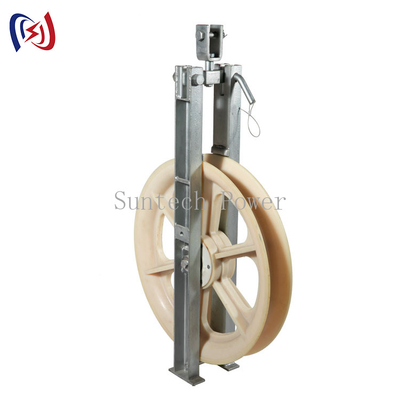
पेशेवर केबल ग्राउंड रोलर्स केवल "व्हील" नहीं हैं; वे इस ट्राइबोलॉजिकल चुनौती को संबोधित करने के लिए डिज़ाइन किए गए इंजीनियर घटक हैं। समाधान बहुआयामी हैः
-
स्लाइडिंग को रोलिंग में बदलना, घर्षण को काफी कम करना:यह मूल सिद्धांत है। रोलर परिवर्तितघर्षणकेबल के बीच और जमीन मेंरोलिंग घर्षणशास्त्रीय घर्षण सिद्धांत के अनुसार, रोलिंग घर्षण का गुणांक आमतौर पर स्लाइडिंग घर्षण का केवल 1/10 से 1/100 होता है।यह उपकरण से आवश्यक खींचने के बल को काफी कम करता है औरइससे भी महत्वपूर्ण बात यह है कि यह केबल की सतह पर स्पर्श बल को लगभग समाप्त कर देता है, जो पहनने का मुख्य कारण है।
-
प्रमुख पैरामीटर 1: रोलर सामग्री और केबल सुरक्षा।उच्च गुणवत्ता वाले रोलर्स अक्सर उपयोगउच्च शक्ति नायलॉन (जैसे, PA66)धातु की तुलना में, नायलॉन केबल जैकेट की तुलना में बहुत कम कठोरता है (नायलॉन के लिए ~ 2-3 बनाम XLPE के लिए ~ 4-5 के लिए मोह कठोरता) ।यह "नरम संपर्क" डिजाइन यह सुनिश्चित करता है कि अगर मलबे फंस जाते हैं, नरम रोलर सतह विकृत या पहनता है, केबल जैकेट नहीं। नोट करने के लिए प्रमुख सामग्री विनिर्देश हैंघर्षण प्रतिरोध सूचकांकऔरप्रभाव शक्ति.
-
प्रमुख पैरामीटर 2: भार क्षमता और संरचनात्मक विश्वसनीयता।भारी केबलों के लिए पर्याप्त संरचनात्मक शक्ति वाले रोलर्स की आवश्यकता होती है।एक पहिया भार क्षमता 500 किलोग्राम (1100 पाउंड)यह दर्शाता है कि इसके बीयरिंग और फ्रेम इस वजन को स्थिर रूप से सुरक्षित रूप से सहन कर सकते हैं। गतिशील खींचने में झटके वाले भार शामिल होते हैं, इसलिए पर्याप्त सुरक्षा मार्जिन वाले उत्पादों का चयन महत्वपूर्ण है।यह सीधे तौर पर कार्यस्थल सुरक्षा औरदीर्घकालिक संरचनात्मक स्थिरतारोलर के घुमावदार धुरी या फटे हुए फ्रेम के अधिभार से बचाने के लिए।
-
प्रमुख पैरामीटर 3: असर प्रदर्शन और दीर्घकालिक सुचारू संचालन।रोलर की "मुक्त रोलिंग" क्षमता उसके असरों पर निर्भर करती है।पूर्व-चिकित्सीय, डबल सील गहरी नाली गेंद बीयरिंगवे उद्योग की प्राथमिकता हैं। सील धूल, घन और नमी को असर के रेसवे को दूषित करने से रोकते हैं, तेल को साफ रखते हैं।कम प्रारंभ टोक़ और घूर्णन प्रतिरोधयह लोड के तहत भी कम घर्षण वाली गति को आसानी से आरंभ करने और बनाए रखने की गारंटी देता है, जो "कम घर्षण वाली खींचने" के वादे का तकनीकी आधार है।
चयन और आवेदन के लिए दिशानिर्देश
भारी केबल परियोजनाओं के लिए, ग्राउंड रोलर चयन के लिए व्यवस्थित मिलान की आवश्यकता होती हैः
-
लोड मिलानःकेबल वजन प्रति मीटर और रोलर की योजनाबद्ध दूरी की गणना या परामर्श करें ताकि यह सुनिश्चित किया जा सके कि प्रति बिंदु भार रोलर की नामित क्षमता के 70% के भीतर है।
-
सामग्री मिलानःसंवेदनशील जैकेट (उदाहरण के लिए, चिकनी एचडीपीई) के लिए नायलॉन पहियों को प्राथमिकता दें। अत्यधिक भार या तेज मलबे वाले वातावरण के लिए, विचार करेंपॉलीयूरेथेन लेपित पहियोंबेहतर घर्षण प्रतिरोध और ढक्कन के लिए।
-
तैनाती की रणनीतिःरोलर्स प्रमुख बिंदुओं पर अनिवार्य हैंः केबल मोड़, ढलान संक्रमण और क्रॉसिंग बिंदु। सीधे रन पर, अंतरिक्ष रोलर्स३-५ मीटरअलग-अलग (केबल की कठोरता के आधार पर) यह सुनिश्चित करने के लिए कि केबल पूरी तरह से जमीन से संपर्क किए बिना रोलर्स पर "फ्लोटिंग" हो।
निष्कर्ष
भारी शुल्क केबल स्थापना के दौरान केबल जैकेट घर्षण को कम करने के लिए "सावधान हैंडलिंग" के अनुभववाद पर भरोसा नहीं किया जा सकता है।" इसके लिए पेशेवर इंजीनियरिंग औजारों के माध्यम से व्यवस्थित नियंत्रण की आवश्यकता होती हैउनका मूल्य न केवलखींचने के बल को कम करना और उपकरण ऊर्जा की बचत करनालेकिन, अधिक मौलिक रूप से,स्लाइडिंग घर्षण को रोलिंग घर्षण में परिवर्तित करके जैकेट क्षति के जोखिम को समाप्त करना, के उपयोग के साथ संयुक्तसुरक्षात्मक सामग्री और विश्वसनीय असरयह एक तर्कसंगत तकनीकी निर्णय है, जो संभावित परिचालन और सुरक्षा लागत से बचने के लिए एक निवारक निवेश है।केबल स्थापना सुरक्षा जैसे विवरणों पर ध्यान देने से सीधे किसी परियोजना के समग्र गुणवत्ता मानक का प्रतिबिंबित होता है.


 आपका संदेश 20-3,000 अक्षरों के बीच होना चाहिए!